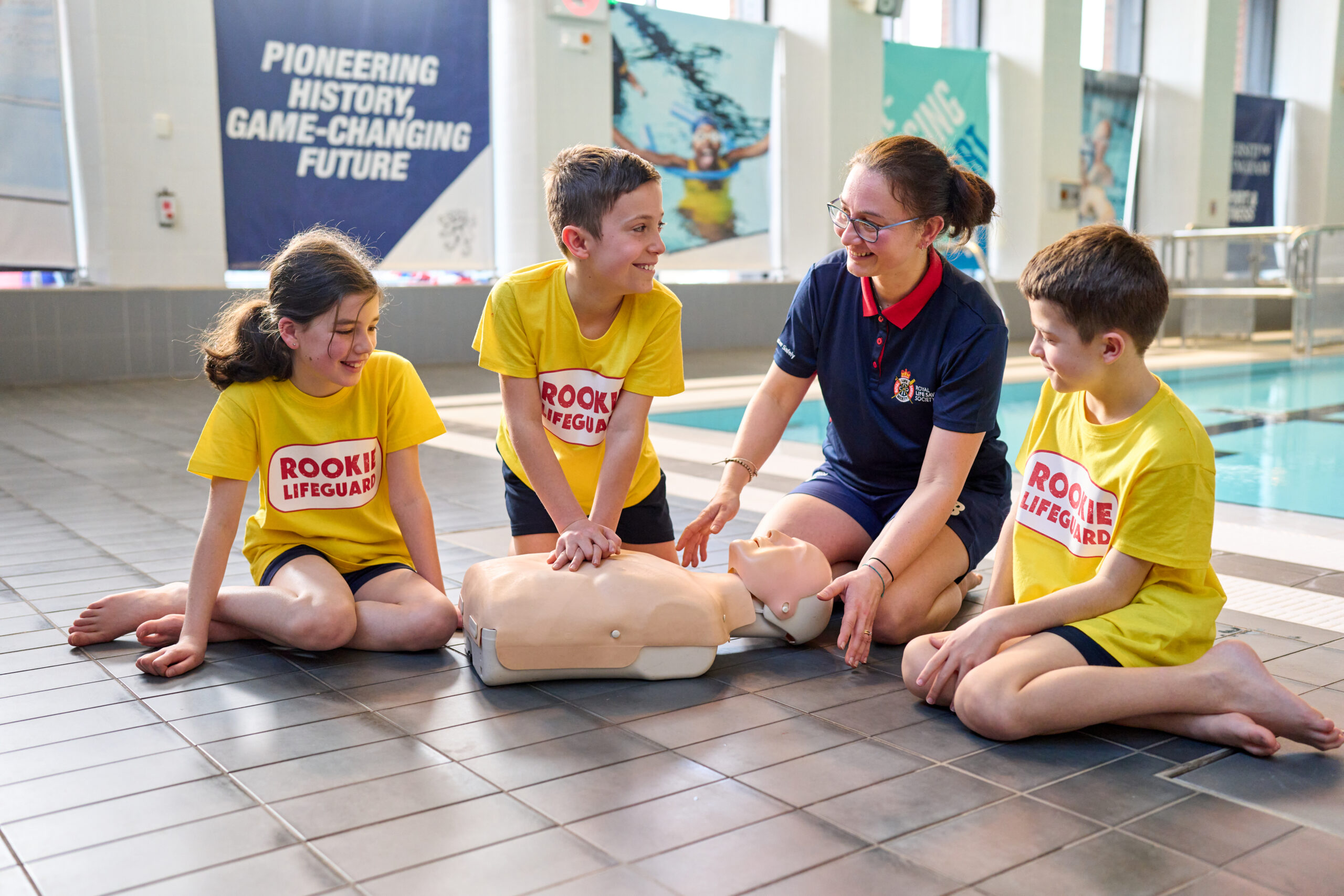
In a world filled with unexpected challenges, one of the most empowering gifts we can give children is knowledge—not just academic knowledge, but practical skills that can make a real difference in emergencies. Teaching children life-saving skills isn’t about instilling fear; it’s about nurturing confidence, responsibility, and compassion.
Understanding what to do in an emergency, knowing how to call for help, perform basic first aid, or stay calm during a crisis helps children feel capable rather than helpless.
Simple steps—like learning emergency phone numbers, how to describe a situation clearly, or where to find a first aid kit can make a world of difference.
Emergencies often happen when we least expect them. A parent might faint, a friend could choke, or someone might have an allergic reaction. In those first few moments before an adult or emergency responder arrives, a child’s ability to act quickly could save a life.
Teaching children lifesaving skills, including CPR, can equip them with practical tools to respond safely and effectively.
Learning life-saving skills goes beyond emergency response. It teaches empathy, as children come to understand the importance of caring for others. It also builds responsibility, showing them that their actions can have powerful consequences, both positive and negative.
This sense of responsibility often carries into other areas of life, helping children grow into thoughtful, proactive adults.
Children who know how to respond in emergencies are often more aware of safety in general. They notice potential hazards, think before acting, and encourage safe behaviour among their peers. This awareness reduces the likelihood of accidents and helps create safer communities overall.
Life-saving skills learned in childhood can last a lifetime. As children grow, they can continue to build on their knowledge, learning advanced first aid, water safety, or even becoming a qualified lifeguard from 16. These skills not only help others but also open doors for employment and UCAS points for university.